
Complete Guide to Trash Chute Cleaning for Apartment Buildings
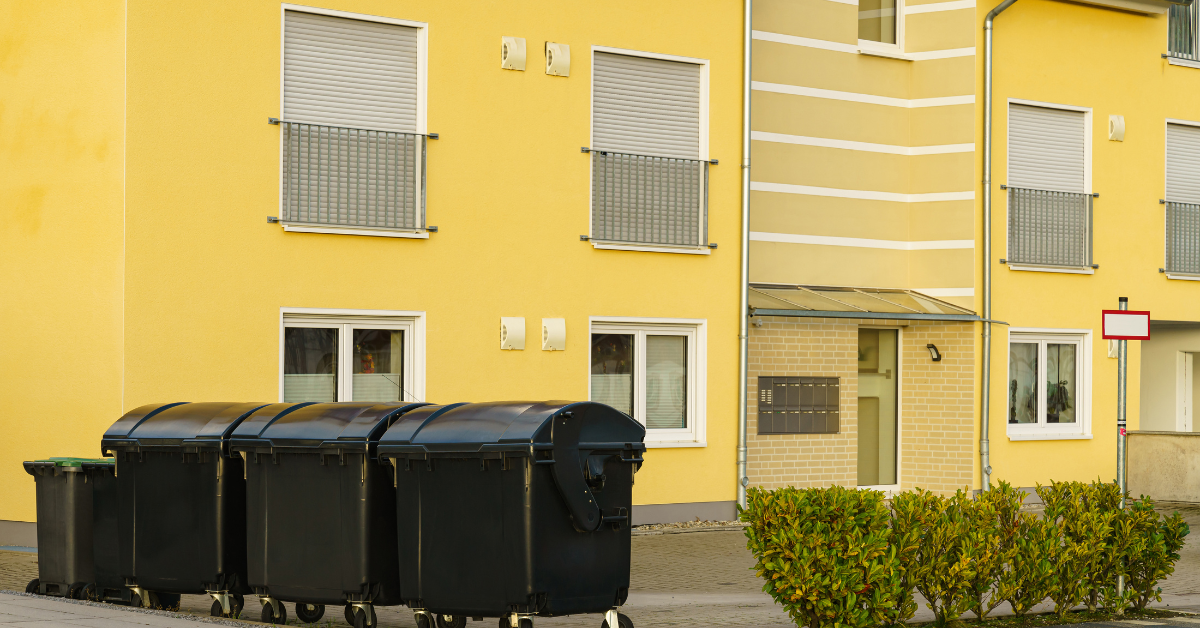
Running an efficient modern multi-unit apartment complex or even high-rise entails making sure all the various mechanical, engineering, and utility infrastructures remain in impeccable condition. Of the many systems operating in a multi-unit building, perhaps none is more extensively used than it is often ignored. While many tenants enjoy the convenience of simply placing their trash bags through a nearby wall opening, what occurs within that waste chute over time may prove a significant problem for your property management.
An effective preventative maintenance protocol focusing on the regular cleaning of trash chutes cannot be overlooked. Failure to do so could mean structural collapse, extreme odors, pest invasions, and potentially a devastating fire hazard.
An Overview of the Internal Waste Management System Anatomy

Before discussing maintenance schedules, one must familiarize oneself with the anatomical nature of the building’s internal waste system. Typically, the installation comprises a solid metal cylinder made out of 16-gauge or 14-gauge galvanized steel or stainless steel segments that span the entire structure vertically. These cylinders are built into the residential building itself by means of structural anchors on every floor.
At the residential floor level, occupants engage with self-latching, self-closing intake hopper doors. In most cases, the end point of this chute, installed at the very bottom of the system, terminates in a designated utility room and opens up to a rolling dumpster or an industrial hydraulic compactor that squeezes the waste ready for pickup.
Reasons to Sanitize Vertical Waste Disposal Systems Professionally

The main justification for implementing a regular sanitizing schedule is based on the inevitability of bag decomposition throughout the time they spend moving down the chute. Due to constant strain during the process, numerous bags will break or leak on a regular basis.
This results in a greasy, layered film of fats, cooking oils, organic matter from leftover foods, and liquefied sugars coating the inside metal liner of the chute. These organic buildups darken and calcify over time to provide the perfect conditions for multiple building hazards to arise, including:
1. Growth of Bacterial Colonies: The decomposition of the remaining food causes the formation of harmful bacterial colonies and molds that thrive well in a moist and dark atmosphere, such as the environment offered by the uncleaned chutes.
2. Fast Deterioration of Structures: Wastes of organic nature have volatile fatty acids as corrosive agents, causing fast oxidation and deterioration of zinc-coated iron and inferior quality steel construction, leading to damage to the structure of the chute.
3. Air Ventilation Problems: As tall buildings are subjected to changes in internal and external pressure referred to as “stack effect,” this upward airflow forces foul odors and bacteria into residents’ apartments every time intake doors are opened.
Fire Risks of Garbage Chute Cleaning Neglect
Apart from poor odor and health risks created by bacterial biofilms, neglecting regular cleaning of garbage chutes constitutes a serious fire hazard due to the highly flammable fat and oil residue buildups on the inner surfaces of the shafts.
A grease-lined chute operates just like a big chimney, pulling air upward from the basement and providing additional oxygen for spreading the fire to all floors. Modern constructions are equipped with additional fire-preventing measures, such as fusible-link fire dampers working at a temperature of 165°F, which will be triggered and block off the shaft in case of a fire.
The Process of Professional Cleaning Operation
Indeed, deep cleaning involves particular tools and technical skills that the regular staff of the building doesn’t possess. Simply pouring the bleach solution into the uppermost floor or topical chemicals won’t solve the problem, but just hide the unpleasant smell caused by an accumulation of bacteria.
The professional and correct cleaning procedure includes several stages:
- Multi-Layer Lockout Tagout (LOTO): The technician carefully locks each individual hopper door on all the floors using electronic interlocks or manual locks. No resident will be able to dispose of trash until the process is complete and the technicians work inside the chute.
- Application of Chemical Degreaser: An environment-friendly, alkali-based degreaser solution is applied to the insides of the chute. This helps loosen the toughened grease, oil, and organic sludge from the inner walls.
- High-Pressure Thermal Wash: Using a special pressure washing system, the technicians rinse the insides of the shaft using pressurized 200°F water at 3,000 PSI. This washes the loosened debris from the walls of the chute.
- Checking Air Flow and Mechanics: Once the metal surface is free of dirt and grime, the technician cleans the area using an EPA-approved disinfectant and deodorizer that prevents the development of mold. The technician checks the condition of the intake doors, safety gaskets, and fire dampers in order to make sure that all mechanical components are functioning well.
For professional assistance in technical resource management and waste logistics, contact Binman Trash Management at binmantrash.com.
Integrated Pest Management and Vector Control
The challenges of pest management continue to plague multi-unit properties. The lack of washing on the vertical waste chute creates a feeding highway for any pests, which have plenty of room to find sanctuary within the sticky sludge that lines the chute.
A pest invasion will be able to thrive within the vertical columns of the chute and will be able to travel to each floor using the gaps between intake doors as a means to reach other areas within the building. Cleaning the chute eliminates this problem.
Preventive Maintenance Budgeting and Scheduling
It is vital for a manager to move from reactive repairs to preventative maintenance scheduling in the annual budget for the year. Higher occupancy residential buildings require twice-a-year cleanings at a minimum.
The best time periods for performing these cleanings would be late spring and mid-autumn. During spring, the accumulated debris from the winter season is cleaned before the increase of bacteria during the warm period of summer. In autumn, it helps eliminate any organic substances before the pests come to find shelter from the cold winter months.
Frequently Asked Questions
1. What Is the Frequency of Professional Garbage Chute Cleaning by Building Management?
Professional garbage chute cleaning needs to take place twice a year at a minimum in high-density residential buildings. For high-density buildings or places used by senior citizens, where the amount of trash generated is very high, garbage chute cleaning will have to occur every quarter.
2. Is it possible to do thorough garbage chute cleaning using regular building personnel?
Using standard building maintenance staff is not recommended because they don’t have access to specialized equipment like industrial thermo-hydraulic pressure washers able to provide water at 200°F and 3,000 PSI.
3. What are some of the possible hazards of inadequate trash chute cleaning about fires?
Ineffective cleaning of the trash chute means that the vertical pipe will contain a buildup of highly flammable cooking oil and fat on its metal lining. This condition ensures that the vertical pipe becomes a perfect source of fire by virtue of providing a chimney effect for flame propagation.
4. Why do odor problems arise from dirty trash chutes?
As the air moves in a tall building, it creates a draft in the vertical shafts. If the inner walls of the chute are contaminated with organic matter, then the draft pushes foul smell to exit directly from the entrance of the chute each time someone opens it to dispose of trash.
5. How does professional garbage chute cleaning assist with pest management?
Cleanliness in a vertical shaft helps to eliminate such feeding grounds. The process of cleaning the garbage chute eliminates the organic film layer, hence depriving the pests of their source of food.
6. What is the fusible-link fire damper, and why must it be inspected while conducting a cleaning process?
The fire damper refers to the heavy-duty steel gate placed at the base of the garbage chute. This is supported by the metal link that is programmed to melt at temperatures of 165°F.