
How Trash Chute Cleaning Prevents Pest Infestations
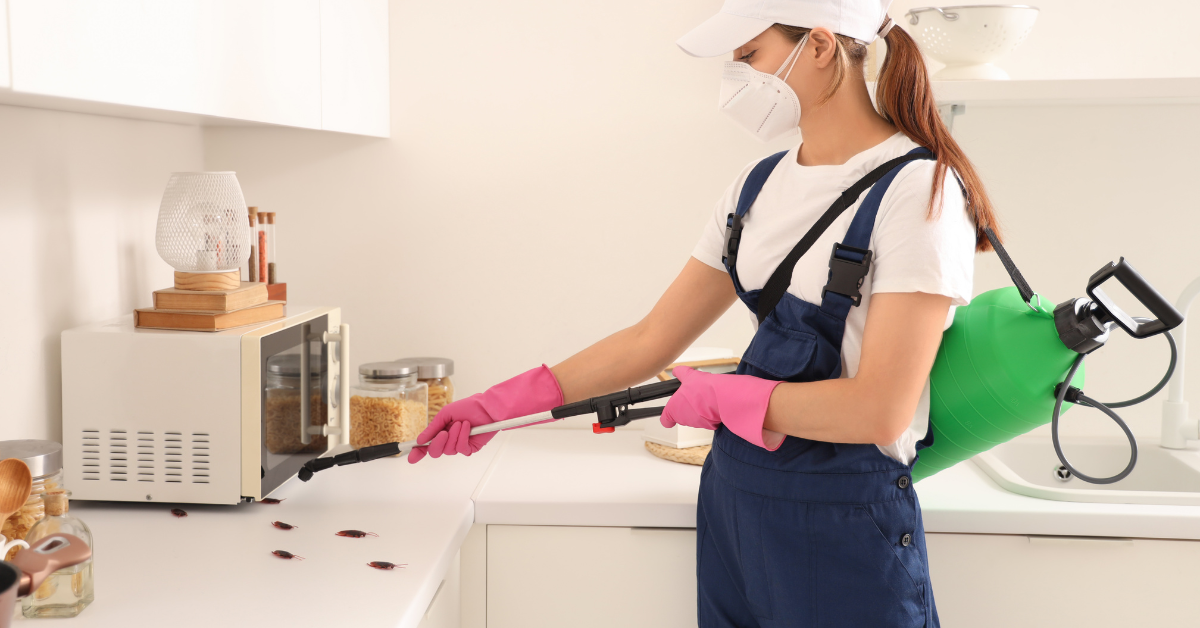
Any property manager or facilities director working in the context of a multi-family property, high-rise commercial building, or hospitality complex knows that clean property equals happy tenants. And among structural assets that are the most neglected is that of gravity-fed vertical disposal systems. Tucked behind hallway walls, these shafts take away thousands of pounds of bio-matter on a weekly basis.
It is typical that, once trash bags are deposited into the system by residents or employees, the velocity that accompanies the system often causes the bags to break open, creating a silent, invisible trail of greasy residue and liquefied organics all over the lining. If not properly cleaned, this residue will stain and cake onto the wall and turn into a heavy, slimy layer of sludge that is a prime facilitator of massive infestations. Thus, the causal relationship between the structural neglect of the chute and pest problems explains why regular chute pest prevention is necessary.
Biological Catalyst: How dirty chutes attract pests
Pests will not suddenly materialize into vertical shafts; they are attracted by particular biological signals. As the organic matter stains stick to the inner steel or masonry lining of the neglected chute shaft, the substances begin to rot quickly through bacteria and generate VOCs or volatile organic compounds that create a pungent and characteristic odor.
The odor compounds are carried through the shaft and are then released through openings in the hopper that face hallway spaces, thereby announcing the presence of food to pests within the environment. As soon as the inner core of the vertical chute is cleaned to a structural level, a pest infestation of this magnitude is guaranteed to remain in the shaft because the following factors are always present:
Adequate food supply
The constantly depositing organic layer coats all the surfaces with an abundant food source. A stabilized micro-climate. The inner core of the chute remains out of the weather so that temperature and humidity levels within the system never fluctuate much beyond human preference.
Full structural protection
The insides of chutes are physically protected from weather as well as predators, allowing pests a secure and stable location for nesting and proliferation.
As soon as insects or animals set up shop in a system, their tendency to use the inner shaft as a structure to travel between floors allows them to enter into corridors by way of a compromised hopper door gasket, spread through a drop ceiling space, or into an apartment unit.
Common pests that reside in treatment chutes
There are numerous structural pests that are drawn to the complex micro-system that develops within a dirty vertical disposal chute:
1. German Cockroaches (Blattella germanica)
2. Filth Flies, and Gnats Drain flies
3. Rodents (Rattus norvegicus and Mus musculus)
The engineering approach for comprehensive core remediation

Extermination methods, such as spray application or the utilization of traps within the hallways of a building, will have limited effectiveness if the food source inside the vertical shaft remains uncompromised. Maintenance teams equipped with a multi-stage professional trash chute cleaning process can fully sanitize the vertical system.
1. Mechanical lockout & system isolation
The team electronically or manually triggers the lockout sequence for all floor-level hopper doors to ensure that tenants can no longer deposit trash while cleaning is in progress. The termination point in the building compactor/container room is isolated to control all downstream wastewater run-off.
2. Industrial foaming & chemical degreasing
Foaming applicators are dropped down from the roof level access terminal to the bottom of the entire vertical core. A potent, heavy-duty, alkaline-based degreaser and anti-microbial biocide is applied.
3. High-pressure thermal flushing
The internal walls of the shaft are blasted with a self-centering, rotating hydraulic cleaning head set at 2000-3000 psi with water at temperatures in excess of 180°F to strip away and loosen organic buildup. The slurry and organic matter are flushed down to the floor level termination drains, where all the wastewater run-off is contained and controlled.
4. Anti-viral disinfection and component reset
Following the flushing, all internal surfaces, termination rooms, and intake panels are treated with an EPA-registered anti-viral disinfectant. Hopper doors are unlocked, and the internal seals and gaskets are tested for proper integrity and odor-tight closure.
This level of remediation is exactly what Binman Trash Chute Cleaning specializes in. Family-owned and based in Austin, Texas, Binman has grown into a nationwide chute pest-prevention and sanitation provider, with dedicated service teams now reaching major metro markets including Houston, Philadelphia, Atlanta, Georgia, Baltimore, Seattle, and Brooklyn, New York.
Frequently Asked Questions
1. In what way does a professional trash chute cleaning avoid building pest problems?
A professional clean removes the layers of grease, cooking oils, and food waste which naturally build up on the internal walls of the shaft. When you strip away this organic buildup, you eliminate the source of food and the nesting material required by many common household pests.
2. Will manual pest control baiting eliminate the need for regular trash chute cleaning?
No. Pest baiting simply targets individual pests once they have emerged from the chute shaft. If the organic buildup remains inside the core, you’ll be faced with continual reinfection from any newly bred pest colonies that form in the center of the shaft.
3. How often should a property manager hire a trash chute cleaning company for effective odor management?
For typical multi-family buildings, twice annually is usually recommended for professional cleaning and sanitation. If there is extensive organic waste present or if it’s a high-occupancy building, consider cleaning every quarter. Property managers in markets like Manhattan, where building density is especially high, often opt for quarterly service.
4. What causes the foul, sour odor emanating from an uncleaned hallway trash chute door?
The odor is produced by volatile organic compounds (VOCs) emitted from the bacterial decomposition of the various types of food waste, which accumulate on the inner surface of the shaft. This foul air travels up the shaft and into common hallways when any trash intake door is opened as a result of the chimney effect (see below).
5. Why are trash chutes so inviting to drain and fruit flies?
Trash shafts and compactors that are neglected and thus have high moisture content, a continuous food source is readily available for flies to deposit eggs. They larve feed in the shaft, thrive on the steady heat and humidity, and form large swarms.
6. What qualities of the trash chute make them so attractive to flies like drain flies and fruit flies?
Unhygienic trash chutes and compactors have high amounts of moisture and a readily available food source, which create the ideal conditions for flies to lay eggs. The constant heat and moisture in the chute allow the larvae to grow large enough to form colonies rapidly.
7. Other than attracting vermin, does a dirty trash chute create a fire hazard?
Yes. Accumulation of organic cooking oil and grease can create a glaze-like residue that coats the interior of the shaft and is highly flammable. Any fire in the compactor room will be quickly transmitted vertically up the chute via the grease.
8. What kind of chemicals are utilized in the professional trash chute cleaning process?
In our process, our company utilizes a heavy-duty alkaline degreaser, which essentially strips the grease off the inside of the shaft, as well as EPA-registered, anti-microbial, deodorizing disinfectants to get rid of the bacteria that cause the odors.
9. What features should be incorporated in a terminal compactor room to reduce pests?
The room itself should have sloped, smoothly finished concrete floors draining to a functioning floor drain that is connected to the building’s plumbing. Walls should be sealed, fire-rated, and doors should also be sealed and fire-rated. Ventilation should actively circulate air, and sprinklers should be integrated into the room for pest-related fire control.
10. If the tenant uses quality trash bags, can the professional cleaning of trash chutes be eliminated?
While using strong quality trash bags with a secure tie reduces the food waste that falls down the chute, it will not eliminate all food waste from falling. Rips, leaks, or bursts are common as bags fall down the chute and “spew” food waste onto the walls of the chute no matter the bag strength. For ongoing protection, most buildings rely on a scheduled trash chute cleaning plan rather than depending on bag quality alone.