
Signs Your Building Needs Professional Trash Chute Cleaning
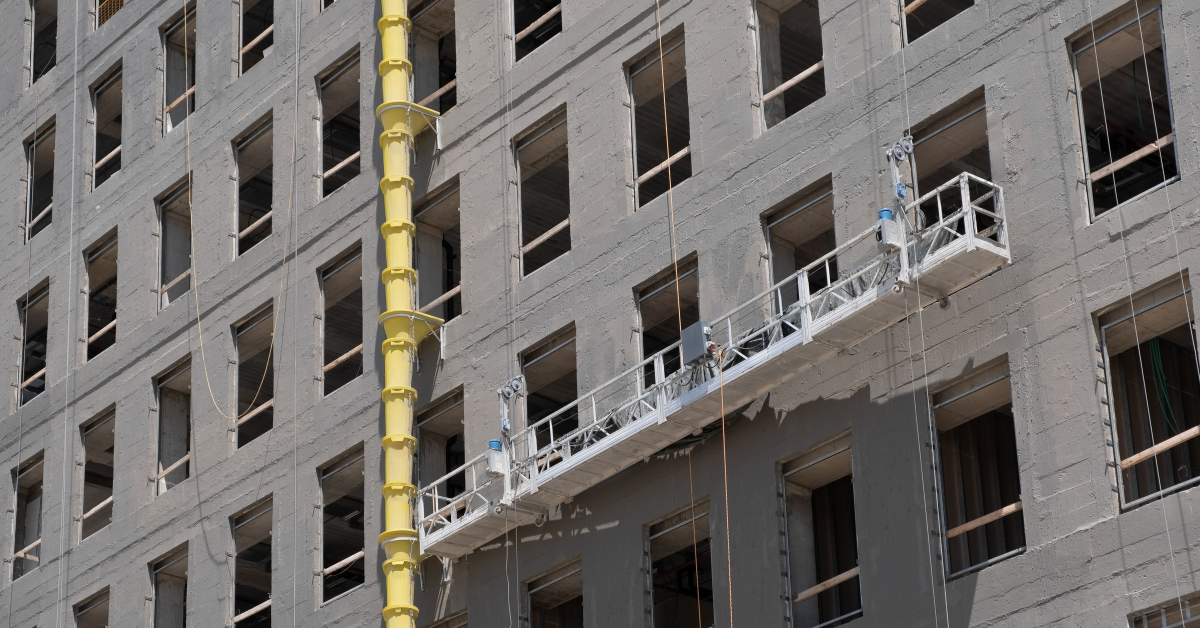
Managing infrastructure is an ongoing operational challenge for multi-family high-rises, commercial office buildings, and crowded residential complexes, whereas most structural roofing, mechanical elevators, and HVAC systems are subjected to regular engineering analysis, mechanical vertical waste chutes are typically ignored until a catastrophic failure dictates an immediate remedy.
A vertical chute in a multi-story high-rise is a large mechanical shaft exposed to significant mechanical stresses, friction from trash bags, and chemical degradation from organic waste on an extremely frequent basis. As discarded trash bags tear open and are discharged into a chute, thick coatings of grease, food scraps, and bacterial film deposit themselves onto the vertical walls of the steel-lined cylinder.
Allowing this build-up to occur will expose property managers to structural liability, regulatory liability, and health liability. The ability to recognize key signals that your facility needs a high-performance trash chute cleaning service is critical to the preservation of your building asset, adherence to regulatory fire compliance, and continued tenant satisfaction.
The Stack Effect: Odors Filling up Your Common Hallways
The clearest and earliest indication that you have an unmaintained trash chute system in your property is the odor, which will inevitably find its way into common hallways and residential rooms. The cause is simply an environmental building principle that occurs naturally in tall buildings, which is known as the “stack effect” (Feustel, n.d.).
Once the interior walls of a chute’s stainless steel or galvanized steel lining have become coated with decomposing organic slime, the entire shaft begins to behave like a vertical chimney. Standard spray fresheners or plug-in deodorizers simply cover up this problem. Addressing the issue will involve a comprehensive and intensive chute sanitation program to chemically dissolve organic matrices that are lining the inside cylinder walls of your chute.
Pest infestations and vector interception
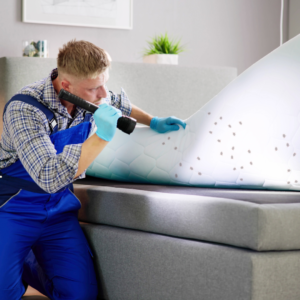
An unmaintained, dirty trash chute is an incredibly efficient vertical pathway for urban vectors. When garbage bags tear, they smear grease, animal fats, and animal protein scraps all over interior intake doors and interior structural seams, which form an edible matrix to attract such species:
- German Cockroaches (Blattella germanica)
- Rodents (Mus musculus & Rattus norvegicus)
- Drain Flies (Psychodidae)
Once any one or combination of insects or rodents can establish a breeding population on the interior structure of a building’s shaft, the localized treatments for pests will have failed to eradicate an entire column, and the structural spine must be purged. Professional trash chute cleaning service removes organic material that constitutes the food source and life cycle of the vectors.
Structural Mechanics and Mechanical Failures
Studies in contemporary industrial engineering show that high-rise waste handling systems require inspection of mechanical wear, joint shift, and structural wall deterioration (Tanriver & Ay, 2024). When a chute is not properly maintained, there is potential for several mechanical problems:
Corroding PIT
Liquid waste contains diverse acids, moisture, and chemical cleaners. These liquids pool within galvanized steel or low-grade stainless steel and form a corrosive pit; pitting will develop in this area, creating razor-sharp edges that shred incoming plastic trash bags as they descend.
Obstruction of Hardware
Ingested food scraps, grease, and solid waste that have turned into a thick organic adhesive form on any rotating component, such as counterbalances, torsion springs, and hinges on each trash door; friction causes doors to become partially or entirely left open upon release.
Fire Hazards and NFPA 82 Compliance
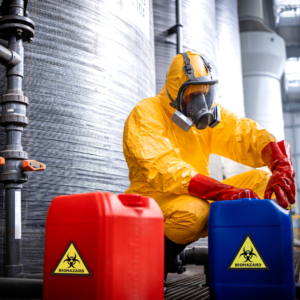
As mentioned above, there are some crucial fire-life safety concerns for an unmaintained trash chute. The NFPA 82: Standard on Incinerators and Waste and Linen Handling Systems specifies that building structure maintenance is necessary to limit the spread of fire (Bulatov et al., 2024; Vandal, n.d.). Organic buildup on the chute can ignite if the property has a tenant or employee who disposes of a lit cigarette, a match, or any volatile chemicals; the structure is a vertically designed fire hazard.
Maintenance and Prevention Action Plan
In an effort to improve from reactive to optimized and predictive building operations, the property manager will take the following checklist items as a required maintenance program to protect the structure.
1. Intake Door Hard-Seal Verification
Perform on all building intake hopper doors every week. It needs to return to a positive-latched, flush position on its own after it is released. All exterior stainless trim will be wiped with an antimicrobial solution.
2. Mechanical Component Lubrication
Dust structure, debris, and all paper must be removed from the hinge assembly and from within the piston rods. Apply a non-attracting silicone dry lubricant to the moving hardware to prevent seizing.
3. Basement Fire Damper Inspection
Visually inspect the bottom chute discharge terminal each quarter. Confirm the 165F fusible link is clean of paint, does not show any signs of corrosion, and will allow for unobstructed fall-shutting of the door in the event of a fire.
4. Professional Hydro-Scrubbing & Sanitation
Have a certified partner perform an industrial hot-water wash annually. This process must involve temperatures of at least 180F in combination with a chemical agent with enzymes that will break down hardened grease build-up.
Partner with a Truly Industrial Organization
Your waste management program requires a sophisticated, high-temperature, high-pressure flushing system — not just your garden variety, cold water pressure washer (Sangir Plastics, 2024). If the structure needs deep, code-compliant cleaning, repair of a mechanical component, or odor removal, you can utilize the certified field services provided by Binman Trash Chute Cleaning. Family-owned and headquartered in Austin, Texas, Binman has expanded with branches and service coverage nationwide, including major markets like Houston, Philadelphia, and Atlanta, Georgia.
Frequently Asked Questions
1. How often should my high-rise commercial building have its trash chute professionally sanitized?
Your high-rise commercial building should have its trash chute professionally sanitized at least two times per year in order to maintain the air quality of your high-rise commercial building and fire safety standards.
2. What is the ideal water temperature needed for effective trash chute cleaning?
When used for most industrial cleaning tasks, especially the effective cleaning of trash chutes, professional cleaning services will use equipment capable of producing hot water that exceeds 180 degrees Fahrenheit.
3. Why is an enzymatic degreaser used when cleaning trash chutes?
Enzymatic solutions break down organic materials such as protein, fats, and carbohydrates in trash chutes using living agents to destroy organic compounds, attacking odor by destroying food sources to eliminate bacteria.
4. Is an unclean trash chute a violation of city fire codes?
You may be subject to fines from your local building officials based on the standards listed in NFPA 82 if the doors at the trash chute intake are not properly maintained, the trash chute doors’ self-closing hinges are broken, or the fire dampers at the bottom of the chute shaft are in failure.
5. What is the stack effect?
The stack effect is a phenomenon caused by the movement of air that is affected by a temperature difference. Stack effect draws air through a building, from lower areas to higher areas.
6. What are the advantages of automated disinfection systems for modern trash chutes?
Many newer apartments are outfitted with automated systems that attach to the top of the trash chute shaft, with an automated release system that intermittently sprays a disinfectant and pest repellent into the chute.
7. What makes trash chute doors fail to close fully on a trash chute that is not serviced properly?
The grease, dust, and debris in the trash chute will continue to get on and overcoat the trash chute door mechanism, hinge, spring, and piston. This build-up of the trash chute doors mechanism will cause there to be too much friction, making the chute doors fail to close properly.
8. What is the trash chutes bottom fusible link fire damper?
A fusible link fire damper is designed to close the trash chute door at a temperature of about 165 degrees Fahrenheit. The fusible link is supposed to melt at that temperature, release the spring mechanism so that the heavy discharge door slams closed at the bottom of the chute shaft, preventing smoke from going out.